
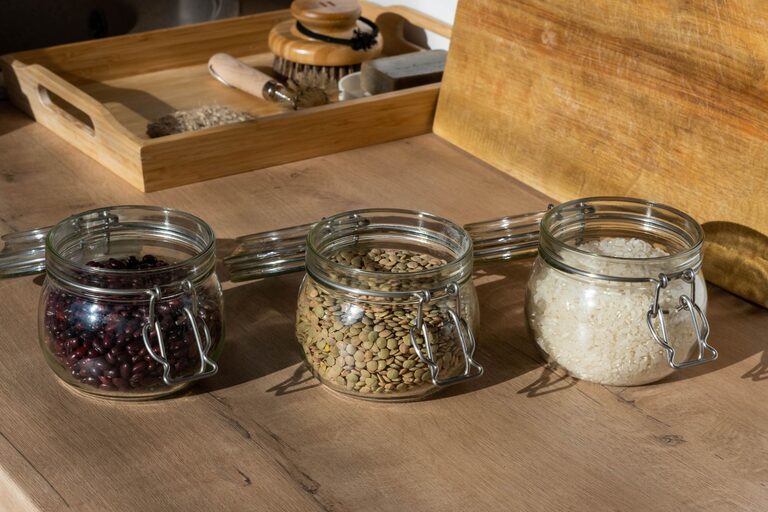
Planning meals from pantry staples is a smart and practical way to save time, cut food costs, and reduce waste. Whether you’re aiming to stretch your grocery budget, avoid extra trips to the store, or simply want quick dinner ideas, your pantry holds a treasure trove of ingredients waiting to be transformed into tasty meals.
In this post, we’ll guide you through how to efficiently plan meals using common pantry staples. You’ll learn how to organize your pantry, identify versatile ingredients, and create balanced menus that keep mealtime stress-free.
Why Plan Meals from Pantry Staples?
Pantry staples are ingredients that have a long shelf life and are commonly found in most kitchens—think dried beans, rice, canned tomatoes, pasta, and spices. Planning meals around these items has several benefits:
– Convenience: You can whip up meals even when fresh ingredients are low.
– Budget-friendly: Reduces the need for last-minute grocery runs.
– Waste reduction: Using up what you have means less food ending up in the trash.
– Creativity: Challenges you to craft meals from what’s on hand.
Step 1: Take Inventory of Your Pantry
Before planning meals, take a few minutes to inventory what you have. This helps avoid buying duplicates and inspires meal ideas.
– Group items by category: pasta, grains, canned goods, spices, baking supplies.
– Check expiration dates: Use older items first to minimize waste.
– Note quantities: Knowing how much you have helps plan portion sizes.
Tips for Pantry Organization
Keeping your pantry organized makes meal planning easier:
– Use clear containers or labeled bins.
– Store similar items together.
– Keep frequently used staples within easy reach.
Step 2: Identify Versatile Pantry Staples
Some pantry ingredients are incredibly flexible and can be used in many different meals. Here are common staples and their meal possibilities:
– Rice: Bowls, stir-fries, salads, soups.
– Pasta: Sauces, casseroles, cold pasta salads.
– Canned beans: Chili, dips, salads, soups.
– Canned tomatoes: Sauces, stews, braises.
– Broth or bouillon: Soups, cooking grains, sauces.
– Oats: Breakfast bowls, baking, meatloaf fillers.
– Flour and baking powder: Breads, pancakes, thickening sauces.
– Spices and herbs: Transform basic dishes with flavor.
Step 3: Plan Balanced Meals
A satisfying meal generally includes protein, vegetables, and carbohydrates. When planning from pantry staples, consider:
– Protein sources: Canned beans, lentils, canned tuna or salmon, nut butters.
– Carbohydrates: Rice, pasta, potatoes, grains like quinoa or barley.
– Vegetables: Canned, frozen, or fresh (if available).
Example Meal Ideas from Pantry Staples
| Meal Type | Ingredients From Pantry | Quick Recipe Idea |
|——————-|—————————————–|——————————————|
| Rice and beans | Rice, canned beans, canned tomatoes, spices | Cook rice, heat beans with tomatoes and spices for a simple stew |
| Pasta with sauce | Pasta, canned tomatoes, garlic, herbs | Make a tomato sauce, serve over pasta |
| Lentil soup | Dry or canned lentils, broth, canned carrots | Simmer lentils with broth and carrots for a hearty soup |
| Tuna salad | Canned tuna, canned beans, olive oil, spices | Combine tuna and beans with olive oil and spices, serve cold |
Step 4: Use Meal Planning Tools
To stay organized, use meal planning tools that suit your style:
– Paper planners or printable templates: Write out meals and ingredient lists.
– Apps: Many free meal planning apps help you track pantry items and recipes.
– Sticky notes or whiteboards: Jot down meals or ingredient reminders.
Planning ahead saves time and helps you shop smarter.
Step 5: Build a Flexible Grocery List
Having a list focused on fresh or perishable items lets you replenish basics and add variety while relying on pantry staples for the bulk of your meals. Look for:
– Seasonal vegetables or fruits
– Fresh proteins if desired
– Dairy or alternatives
This approach blends convenience with freshness.
Bonus Tips for Success
– Batch cook: Prepare large portions and freeze leftovers.
– Mix fresh and pantry ingredients: Use frozen or fresh veggies alongside canned goods.
– Experiment: Try new recipes using pantry staples to avoid mealtime boredom.
– Keep essentials stocked: Basics like oil, vinegar, salt, pepper, and garlic powder are crucial.
Final Thoughts
Meal planning using pantry staples is a practical way to streamline cooking, save money, and still eat well. By taking inventory, organizing your pantry, and planning balanced meals around versatile staples, you’ll feel confident creating delicious dishes anytime. Start small, experiment, and enjoy the simplicity and satisfaction of cooking with what’s already on your shelf.