
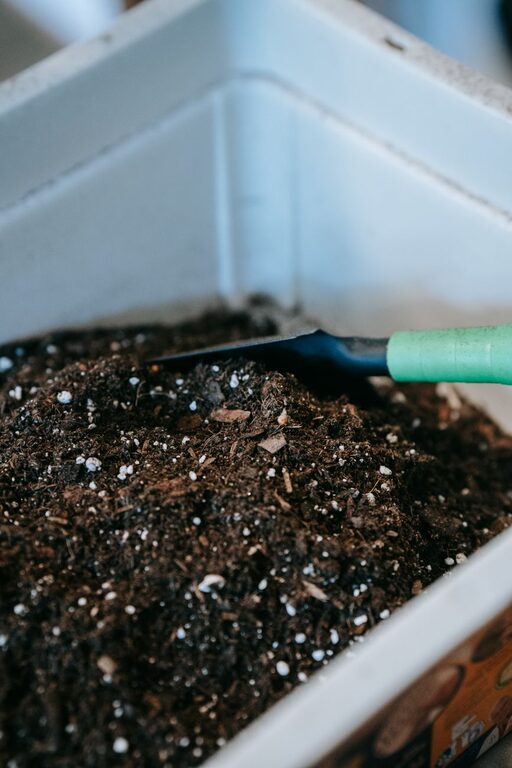
Composting at home is a fantastic way to reduce waste, enrich your garden soil, and contribute to a healthier planet. If you’re new to composting, the process might seem a bit daunting, but with the right approach, anyone can start composting successfully. This guide will walk you through the basic tips and help you create your own compost pile or bin with confidence.
What is Composting?
Composting is the natural process where organic materials like food scraps and yard waste break down into a nutrient-rich soil amendment known as compost. Compost enriches soil, helps retain moisture, and supports healthy plant growth. By composting at home, you keep organic waste out of landfills, reducing methane emissions and promoting a cleaner environment.
Why Start Composting at Home?
– Reduce household waste by up to 30%
– Create free, natural fertilizer for your garden
– Improve soil texture and fertility
– Help conserve water in the garden
– Support sustainable living practices
Getting Started: The Basics of Home Composting
Choose a Composting Method
There are several ways to compost at home. Here are the most common options:
– Compost Bin: A contained system ideal for small spaces and backyards. Bins come in various styles such as tumblers, plastic containers, or wooden boxes.
– Compost Pile: Simply a pile in a corner of your yard. This method requires space but works well for large gardens.
– Worm Composting (Vermicomposting): Uses worms to break down food scraps quickly, perfect for indoor use or small apartments.
Pick the method that best fits your space and lifestyle.
Selecting the Right Location
Place your compost bin or pile in a spot that is:
– Well-drained to avoid soggy compost
– Convenient for adding scraps regularly
– Partially shaded to maintain moisture and avoid overheating
What to Compost: Browns and Greens
Successful composting depends on balancing carbon-rich and nitrogen-rich materials.
– Browns (Carbon-rich): Dry leaves, straw, shredded paper, cardboard, sawdust
– Greens (Nitrogen-rich): Fruit and vegetable scraps, coffee grounds, grass clippings, green plant trimmings
Aim for a roughly equal mix, or about 3 parts browns to 1 part greens, to keep your compost healthy.
What NOT to Compost
Avoid adding these items to your compost:
– Meat, fish, dairy, and oily foods (can attract pests)
– Pet waste (may contain harmful bacteria)
– Diseased plants or weeds with seeds
– Treated wood or sawdust with chemicals
– Large branches or wood chips (take too long to break down)
Step-by-Step Composting Process
1. Gather Materials
Collect your greens and browns in separate containers as you generate them. Kitchen scraps can be stored in a lidded bin before transferring to the compost.
2. Build Your Pile or Fill Your Bin
Start with a layer of coarse material like small twigs or straw at the bottom to help aerate. Alternate layers of greens and browns, mixing as you go.
3. Maintain Moisture
Your compost should feel like a wrung-out sponge—damp but not soaking wet. Add water if it’s dry, or cover if it’s too wet.
4. Turn the Compost
Turning the pile every 1-2 weeks introduces oxygen, which speeds up decomposition and prevents odor. Use a garden fork or shovel to mix the materials thoroughly.
5. Wait and Monitor
Depending on the materials and conditions, compost can take anywhere from a few months to a year. Finished compost is dark, crumbly, and smells earthy.
Troubleshooting Common Composting Problems
– Smelly Compost: Usually caused by too much green material or waterlogged conditions. Add more browns and turn the pile.
– Pile Too Dry: Add water and green materials to increase moisture and nitrogen.
– Slow Decomposition: Chop large pieces into smaller bits, turn the pile more often, and maintain the right moisture.
– Pests: Avoid meat and dairy, use secure bins, and bury food scraps deeper in the pile.
Tips for Success
– Use a kitchen compost pail to collect scraps daily and reduce trips to the compost bin.
– Chop or shred materials to speed up breakdown.
– Avoid adding too many citrus peels or onions, which can slow the process.
– Add finished compost to your garden beds, potted plants, or lawn as a natural fertilizer.
Final Thoughts
Composting at home is a rewarding practice that benefits your garden and the environment. By following these beginner tips, you can start composting easily and enjoy the satisfaction of turning waste into nourishing soil. Remember, composting is a learning process—don’t be discouraged by small setbacks. Happy composting!