
Reducing food waste at home is not only good for your wallet but also beneficial for the environment. Every year, tons of food are discarded unnecessarily, leading to wasted resources and increased greenhouse gas emissions. Fortunately, there are many practical steps you can take to minimize food waste in your daily life. This guide shares easy, effective methods to help you make the most of your groceries and reduce your household’s food footprint.
Why Reducing Food Waste Matters
Before diving into the strategies, it’s important to understand why reducing food waste is valuable:
– Environmental Impact: Food production requires water, land, energy, and other resources. When food is wasted, all these inputs are wasted too.
– Economic Savings: Wasting less food means buying only what you need and using it wisely, which lowers grocery bills.
– Food Security: Using food efficiently helps ensure more people have access to enough nutritious food.
Now, let’s explore ways to cut back on waste effectively.
Plan Your Meals Ahead
One of the easiest ways to prevent food from going bad is to plan meals in advance.
– Create a Weekly Menu: Decide what you’ll eat for the week. This helps you shop precisely for the ingredients you need.
– Check Your Pantry and Fridge: Before shopping, see what you already have. This prevents buying duplicates.
– Make a Grocery List: Stick to your list to avoid impulse buys that might end up unused.
Shop Smartly
How you shop can greatly influence the amount of food you waste.
– Avoid Bulk Buying Unless Needed: Bulk purchases are economical but can lead to spoilage if you can’t use items in time.
– Choose Loose Produce: Buying only the amount you need rather than pre-packaged quantities reduces waste.
– Pick Fresher Items: Look for produce and perishables with a longer shelf life.
Store Food Properly
Correct storage extends the life of your groceries and keeps food fresh longer.
– Use Airtight Containers: Store leftovers and opened packages in sealed containers to maintain freshness.
– Understand Refrigerator Zones: Some areas are colder, like the back of the fridge, suitable for meats or dairy, while others are warmer, better for fruits and vegetables.
– Wrap Greens and Herbs: Use paper towels to absorb moisture and keep leafy greens crisp.
Use Leftovers Creatively
Don’t let leftovers sit until it’s too late—transform them into new meals.
– Make Soups or Stews: Combine different leftovers to create a hearty dish.
– Prepare Stir-Fries or Salads: Mix veggies, proteins, and grains for easy meals.
– Freeze Excess Portions: Store leftovers in freezer-safe containers to enjoy later.
Understand Food Labels
“Best before” and “use by” dates can be confusing but knowing the difference helps reduce waste.
– “Best Before”: Indicates peak quality but not necessarily safety. Foods can often be eaten after this date if they look and smell fine.
– “Use By”: Safety date for perishable items. Stick to this date to avoid health risks.
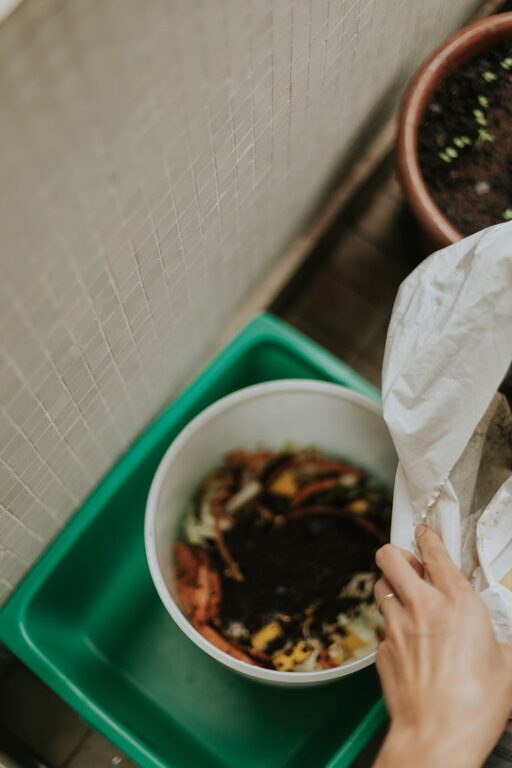
Compost What You Can’t Eat
Inedible food scraps like peels and cores don’t have to go to the landfill.
– Start a Compost Bin: Composting turns organic waste into nutrient-rich soil for gardening.
– Use Community Compost Programs: If composting at home isn’t possible, check for local drop-off sites.
Practice Portion Control
Serving smaller amounts reduces the chance of uneaten food ending up in the trash.
– Dish Out Reasonable Servings: Start with smaller portions; you can always go back for seconds.
– Offer Variety in Smaller Quantities: This encourages trying different foods without waste.
Regularly Clean Your Fridge and Pantry
Keeping your food storage areas organized helps you keep track of what needs to be used soon.
– Rotate Stock: Place older items in front so they get used first.
– Check for Spoiled Items: Remove any spoiled food immediately to avoid contamination.
Educate Your Household
Involving everyone who shares your home makes reducing food waste easier.
– Share Tips and Goals: Talk about why saving food is important.
– Assign Tasks: Let family members help with meal planning, shopping, and composting.
Final Thoughts
Reducing food waste at home is a manageable goal with meaningful benefits. By adopting meal planning, smart shopping, proper storage, and creative cooking habits, you can save money, help the planet, and enjoy your food more. Start with small changes, and over time, these habits will become a natural part of your daily routine. Every bit counts toward building a more sustainable future.